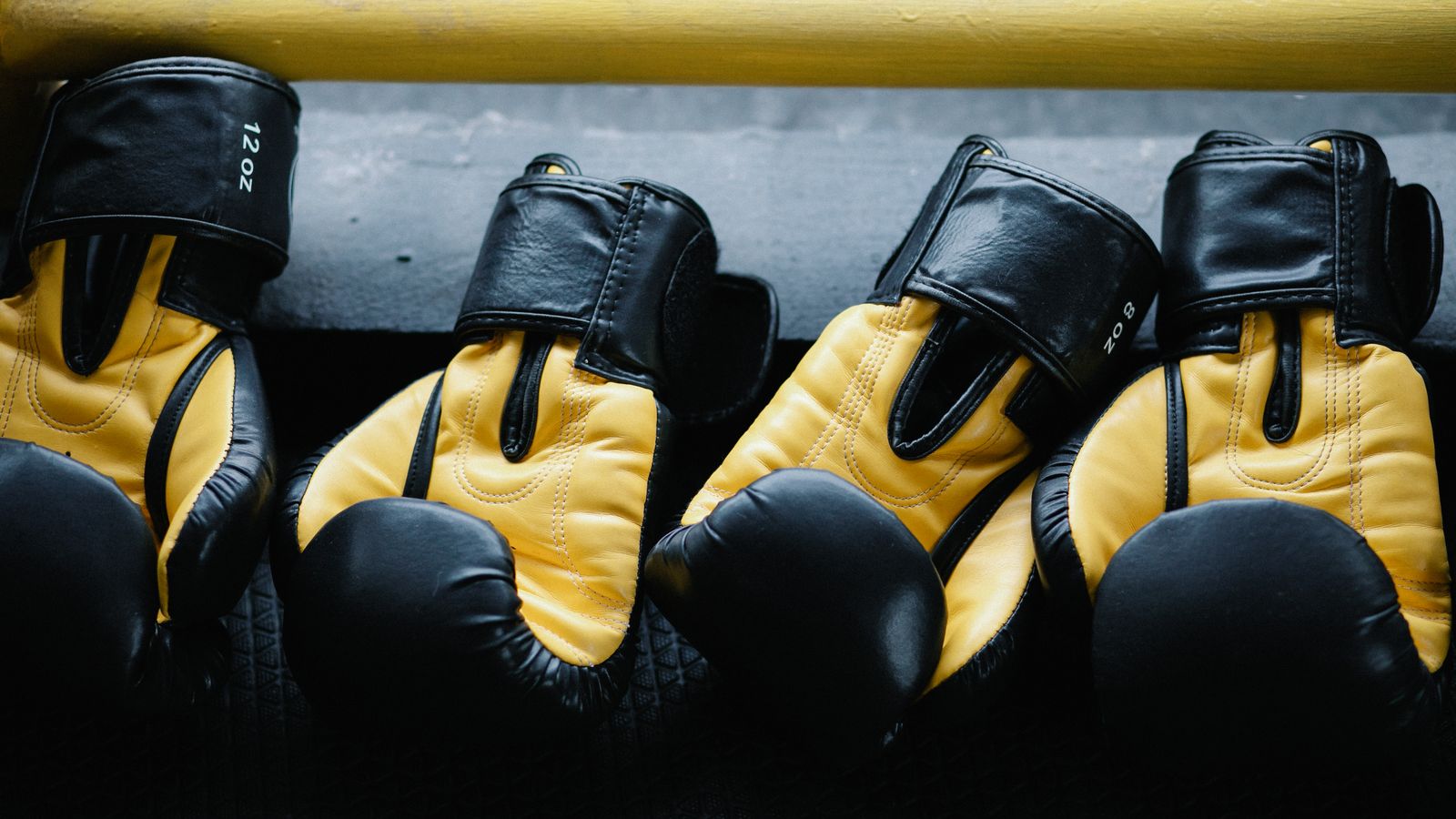
Muay Thai is a striking martial art from Thailand that uses fists, elbows, knees, and shins. In Singapore, it has grown from a niche combat sport into one of the most popular ways adults train for fitness, self-defence, and discipline. If you have never trained before, this guide walks you through what to expect, what it costs, and how to start safely at Khao Noi Gym.
What is Muay Thai
Muay Thai is called the art of eight limbs because it uses eight points of contact: two fists, two elbows, two knees, and two shins. It originated in Thailand as a battlefield art and evolved into the country's national sport. Modern Muay Thai combines striking with clinch work, where two fighters control each other at close range using grips, knees, and elbows.
For beginners, the important thing to know is this: you do not need to fight to train Muay Thai. The overwhelming majority of people training at gyms in Singapore are there for fitness, stress relief, and learning a skill. Sparring is optional, contact is controlled, and most members never compete.
Why beginners in Singapore are picking it up
A few reasons it has taken off here:
- It is a complete workout. One hour burns 600 to 900 calories for most people and trains cardio, strength, coordination, and flexibility at the same time.
- It is mentally engaging. Unlike a treadmill, every class teaches a new technique, so you stay focused rather than bored.
- It is practical. Even without sparring, you learn how to stand, move, and defend yourself.
- The community is welcoming. Most gyms in Singapore, including Khao Noi Gym, are built for working adults learning their first martial art, not full-time fighters.
What a beginner class actually looks like
A typical Muay Thai group class in Singapore runs 60 to 90 minutes and follows a familiar structure:
- Warm-up. Skipping, dynamic stretching, shadow boxing. Around 10 to 15 minutes.
- Technique. The coach demonstrates one or two techniques. You drill them with a partner on pads.
- Pad work. You and your partner take turns holding Thai pads while the other strikes. This is where most of the workout happens.
- Bag work or clinch. Solo work on the heavy bag or partner drills in the clinch.
- Cool-down. Conditioning, abs, and stretching.
How much does Muay Thai cost in Singapore
Pricing in Singapore varies by gym, but the rough market is:
- Group classes: SGD 200 to 350 per month for unlimited classes at most gyms.
- Drop-in trial: SGD 30 to 50 for a single class.
- Private lessons: SGD 100 to 180 per hour with a coach.
- Kids classes: SGD 150 to 250 per month.
What you need to bring
For your first class, almost nothing:
- Athletic clothing you can move and sweat in
- A water bottle
- A small towel
How often should beginners train
Two to three times per week is the sweet spot for most beginners. That is enough to build skill and see fitness results, while still letting your shins, joints, and body recover. Training every day from the start is the fastest way to pick up an injury or burn out.
After three to six months, many members increase to four or five sessions per week as their conditioning improves.
How long until you feel like you know what you are doing
Honest answer: about three months of consistent training. By month three, most beginners can:
- Hold a proper stance and move comfortably
- Throw the four basic strikes (jab, cross, lead kick, rear kick) with reasonable form
- Hold pads for a partner without flinching
- Get through a full class without dying
Is Muay Thai safe for beginners
Yes, when trained properly. The injuries most beginners worry about, broken bones and concussions, come from sparring and competition, not technique class. The actual risks for new trainees are bruised shins from kicking pads, sore wrists from improper punching form, and tight hips from kicking before they are flexible enough.
Good coaching solves all three. At Khao Noi Gym, every new member gets corrections on stance, fist alignment, and kicking technique from day one so these problems do not develop.
Common questions from beginners
Do I need to be fit before I start? No. Muay Thai is how you get fit. Coaches will scale the class to your level.
Do I need to be flexible? No. Most adults start with poor hip flexibility. Kicks improve as you train.
Will I get hit? Not in a beginner class. You will only get hit if and when you choose to spar, which is months down the line.
Can I train if I am over 40? Yes. We have members training in their 50s and 60s. Class intensity is self-managed.
Do I need to be male? No. Our group classes are mixed. If you prefer a female-only space, our sister gym KYC offers women-only Muay Thai with a female head coach.
How to start at Khao Noi Gym
Book a trial class. One session is enough to know if Muay Thai is for you. If it is, sign up for an unlimited monthly membership and aim for two classes in your first week. Most beginners are hooked within two weeks.
If you are unsure whether group classes suit you, a single private lesson with one of our coaches is the fastest way to learn the basics in a one-on-one setting.
The hardest part of starting Muay Thai is walking through the door for the first class. Everything after that gets easier.